Brakes are the most critical safety component of any passenger vehicle, acting as the primary defense against unexpected road hazards and challenging driving conditions. The system relies on a complex network of hydraulic pressure, friction materials, and precision engineering to bring thousands of pounds of metal to a secure halt. When any single part of this network begins to degrade, the entire stopping capability of your vehicle is compromised.
Understanding the various indicators of mechanical wear allows drivers to make informed decisions regarding automotive upkeep. Vehicles communicate their mechanical distress through specific tactile, auditory, and olfactory signals that should never be ignored by an attentive owner. Recognizing these signs early allows for scheduled, orderly maintenance rather than dealing with stressful, emergency roadside breakdowns. This comprehensive guide details the key symptoms that signify your vehicle requires professional attention to restore its stopping power.
1. Hearing Unusual Sounds
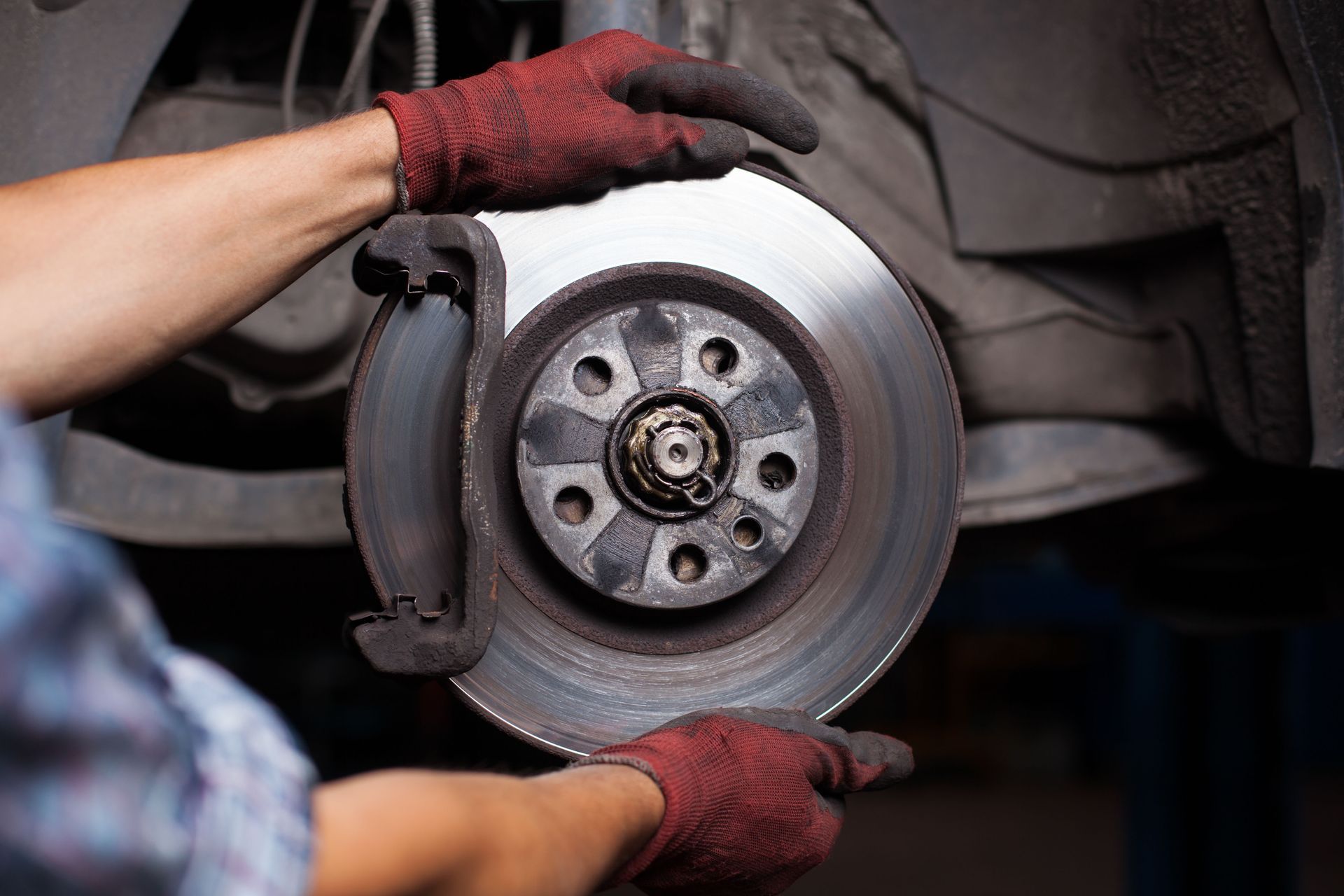
Auditory warnings are often the very first indicators that your braking system is experiencing distress or mechanical fatigue. A high-pitched squealing or squeaking noise when you apply pressure to the pedal is typically caused by a small metal wear indicator embedded within the friction material. This component is designed to make contact with the rotor when the pad material has worn down to a critically low level, serving as an audible alert that the system needs attention. If this warning is ignored, the noise will eventually transition into a harsh, metallic grinding sound, which signifies that the friction material is completely gone. At this point, the metal backing plate of the pad is pressing directly against the iron rotor, causing severe scoring and necessitating comprehensive brake repairs to replace the ruined parts.
Beyond the standard squeal and grind, drivers might also notice erratic clicking or rattling noises coming from the wheel wells. These sounds often point to loose mounting hardware, missing anti-rattle clips, or calipers that have developed excessive play within their carrier brackets. Every unique sound corresponds to a specific type of mechanical failure, making a detailed inspection by a certified technician absolutely necessary to pinpoint the source. Regular maintenance and timely replacement of worn components are key strategies to eliminate unusual sounds when braking. Given that the average age of passenger vehicles and light trucks in the U.S. is 12.5 years, according to Consumer Affairs, it becomes even more crucial for owners to monitor their brakes, as older vehicles are more prone to such issues.
2. Sensing Reduced Responsiveness
The physical sensation of how the brake pedal reacts under your foot provides immediate insight into the internal health of the hydraulic system. A firm, progressive resistance is standard, so if the pedal suddenly feels spongy, soft, or sinks all the way to the floorboard, it demands immediate attention. Because hydraulic fluid is incompressible, any air or fluid loss directly reduces the pressure transmitted to the pads, significantly increasing your stopping distance and creating a highly dangerous driving scenario that requires urgent brake repairs.
Another common manifestation of reduced responsiveness is a phenomenon known as brake fade, which occurs when the system becomes severely overheated. During prolonged downhill driving or repetitive high-speed stops, the friction between the pads and rotors generates extreme heat, causing the friction coefficient to drop dramatically. This results in a terrifying sensation where the pedal feels normal, but the vehicle simply refuses to slow down at its normal rate.
3. Feeling Vibration or Pulsation
A distinct pulsation or shuttering sensation felt through the brake pedal or the steering wheel during deceleration is a clear sign of structural distortion. This problem is frequently caused by variations in the thickness of the brake rotors, often referred to as warped rotors. When high levels of thermal stress combine with uneven cooling, the flat surface of the rotor can develop microscopic waves or high spots. As the calipers clamp down on these uneven surfaces, the pads ride up and down over the imperfections, transmitting that physical oscillation back through the hydraulic fluid directly to your foot.
These pulsations can also stem from uneven pad material transfer, where excessive heat causes the friction material to fuse onto the rotor face in irregular patches. This uneven distribution alters the smooth interaction between the components, disrupting the seamless execution of brake repairs and layout performance. Left unresolved, these continuous vibrations can accelerate the wear of your front-end suspension components, cause uneven tire wear, and compromise the anti-lock braking system.
4. Observing Visible Wear Indicators
Many modern vehicles allow for a quick visual inspection of the stopping components directly through the spokes of the wheels. The thickness of the friction pads should be monitored regularly, as driving on pads that have worn past their safe limits is a primary cause of system failure. Generally, if the friction material looks to be less than a quarter of an inch thick, the useful life of the pad is nearing its end.
Corrosion is another visible threat that can severely degrade the structural integrity and operation of the clamping mechanism. While a light film of surface rust can form overnight due to moisture and is easily swept away during normal driving, heavy rust scaling is a much deeper issue. Thick rust accumulation along the edges of the rotors or on the caliper slider pins can cause the moving parts to bind and seize.
5. Handling Pulling to One Side
A vehicle should always maintain a perfectly straight trajectory whenever the stopping system is engaged on a flat, even roadway. If you notice that the steering wheel yanks violently or the vehicle drifts toward the left or right side when you decelerate, an imbalance in braking force is occurring. This pulling effect is frequently caused by a seized caliper piston on the opposite side of the drift, which prevents the pads from clamping down with equal pressure.
This directional instability can also be traced to a restricted or collapsing rubber brake hose, which acts like a one-way valve and traps fluid pressure inside the caliper long after you have released the pedal. Additionally, non-braking variables such as severely mismatched tire pressure, worn suspension bushings, or poor front-end alignment can interact with stopping forces to cause a noticeable pull. Because this symptom can stem from multiple interconnected mechanical systems, a professional diagnostic process is necessary to isolate the exact cause.
6. Discovering a Foul Smell
The sudden appearance of a pungent, burning odor immediately after slowing down is a severe warning sign that should prompt you to park safely and investigate. This distinct smell is usually the result of friction materials being pushed far past their maximum temperature thresholds, causing the binding resins within the pads to literally smoke and char. A common culprit behind this issue is a stuck parking brake cable or a frozen caliper that refuses to retract, forcing the pads to drag continuously against the spinning rotor while you drive. This constant friction generates immense thermal energy that can quickly boil the nearby fluid and glaze the friction surfaces, making immediate brake repairs necessary to replace the compromised components.
Operating a vehicle when the friction components are emitting a burning smell can lead to total system failure, as the extreme heat can cause the fluid to vaporize inside the lines. Vaporized fluid introduces compressible gas into the hydraulic system, resulting in a complete loss of pedal pressure and a failure to stop. If you ever smell a sharp, chemical burning scent, it is vital to allow the wheels to cool completely before attempting to drive any further.
When it comes to restoring the performance and safety of your vehicle, relying on professional expertise is the best way to secure peace of mind. The certified technicians at Southside Auto Repair possess the advanced diagnostic tools, specialized training, and high-quality components necessary to resolve your automotive issues effectively. Do not wait for a minor noise or a soft pedal to turn into an emergency situation on the highway. Contact us today for comprehensive
brake repairs, and ensure that your vehicle delivers the reliable, precise stopping power you need for every journey ahead.