In this article, we will delve into the vital signs that suggest your vehicle needs a brake repair, emphasizing safety, performance, and maintenance tips to ensure your vehicle stops efficiently. With vehicles on the road for longer periods—the average age for passenger cars is projected to hit 14.1 years in 2026, according to Hedges & Company—knowing how to maintain them becomes increasingly critical.
Noises: Screeching and Grinding Sounds
Noises are often the first indication that your brakes might be in need of attention. A common symptom involves a high-pitched screeching sound that occurs when the brake pads have worn too thin. This noise is typically produced by a metal indicator on the brake pads designed to warn drivers before damage occurs to the rotor. If left unattended, screeching can evolve into a grinding sound, signifying that metal-on-metal contact is happening. Addressing these noises promptly prevents costly rotor replacement and ensures continued braking effectiveness.
Understanding the source of these noises also helps in diagnosing other potential issues within the brake system. Circling noises may point to other issues such as poor alignment or dirt artifacts trapped in the mechanics of the braking system. Regular noise checks are an integral part of maintenance strategies for detecting system inefficiencies early. By appreciating the warning signs of noise, proactive steps can be taken to remedy the situation before it escalates. Mechanic evaluations can offer professional insights, ensuring that sound-based symptoms do not go unresolved.
It is critical to pay attention to brake noises as they vary across different braking components. Noise changes under various driving conditions—whether the car is moving forward, backward, or turning—can indicate specific problems. A detailed understanding of what normal noise levels sound like is essential, alongside when those sounds deviate under strain. Regular interaction with brake inspection professionals, whenever noise changes occur, supports a maintenance and troubleshooting routine. Trust your intuition; if something sounds off, it's usually a lead to delve deeper into potential underlying problems.
Pedal Response: Feeling Soft or Spongy
A soft or spongy feel in the brake pedal is a notable indication that there might be an issue with your braking system. This symptom usually arises from air in the brake lines or a brake fluid leak, compromising your vehicle's ability to stop effectively. An under-responsive pedal poses significant safety risks and demands immediate diagnostic attention to prevent further complications. Normal pedal anticipation is firm but responsive, and any deviations must be addressed swiftly. Brake pedals should always provide confidence in stopping power; a spongy feel disrupts this assurance and leads to increased risk.
Understanding how the brake pedal feels requires regular contact with the braking system as part of your driving experience. Many drivers can identify differences in how the pedal reacts over time, signaling potential issues. Adjusting to changes in pedal feedback helps in noticing uncharacteristic responses that could suggest fluid-related problems. Vehicle owners who regularly inquire about their brake systems during professional assessments manage pedal response anomalies more effectively. Examining changes in pedal response forms a critical part of maintaining reliable vehicle performance.
Brake pedal issues can lead to increased stopping distances and decreased control over the vehicle. The potential dangers associated with ignoring a soft pedal's warning are considerable. Addressing pedal feedback is about seamlessly integrating it into daily driving vigilance assessments. Drivers need to stay attuned to how smoothly the pedal applies and releases, with mechanics capable of correcting systemic issues discovered. Familiarity with consistent pedal response helps to detect variations early, ensuring a proactive stance towards brake system upkeep.
Visual Inspection: Checking Brake Pads and Rotors
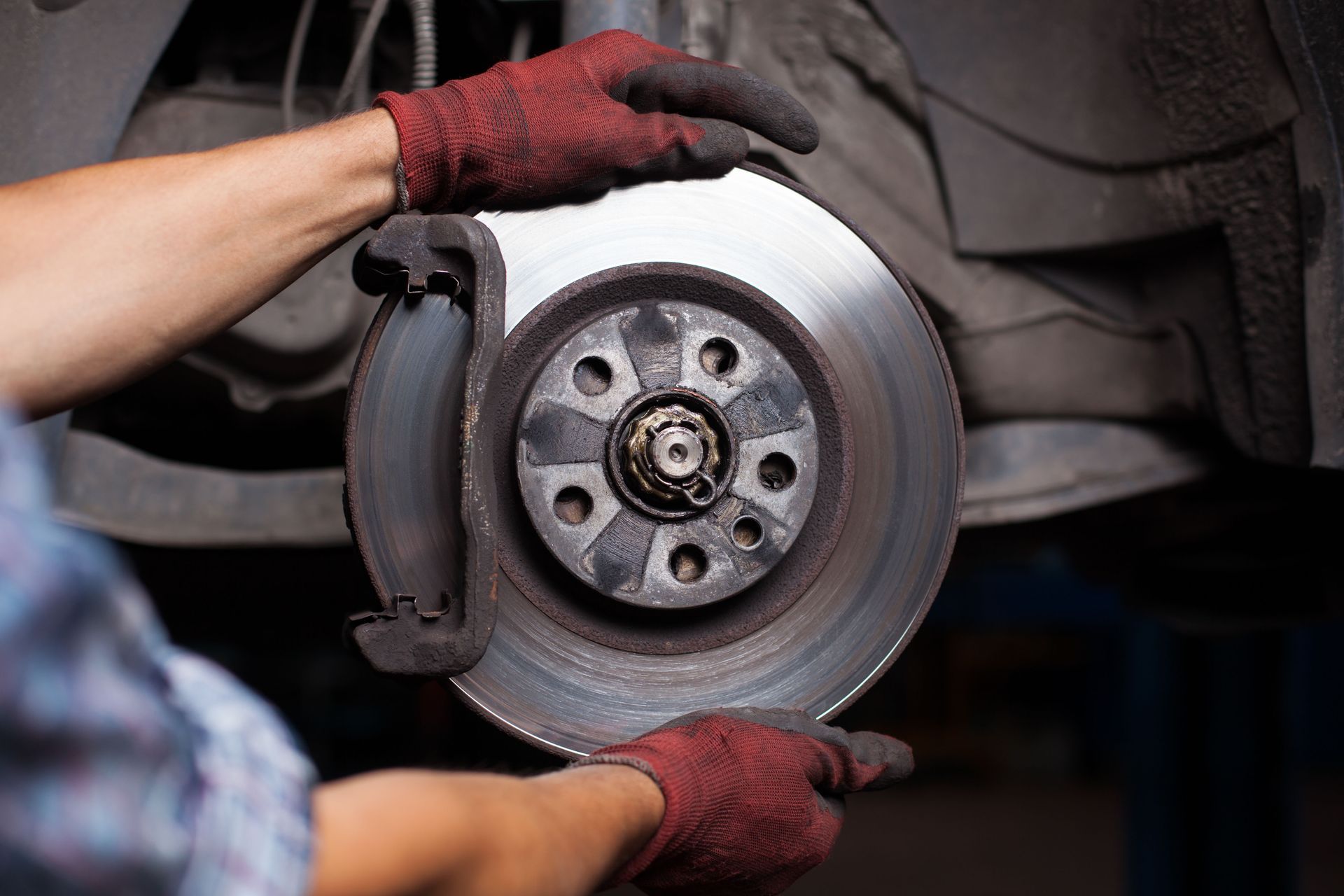
Conducting regular visual inspections of your brake pads and rotors can help uncover early signs of wear before they turn into serious problems. Over time, brake pads become thinner, which eventually requires replacement to maintain safe stopping power. Regular checks are crucial to recognizing pad thickness and monitoring rotor surface conditions for wear or scoring. In addition to physical inspection efforts, maintaining awareness of growing trends in vehicle service needs supports these initiatives. A visual inspection aims to identify potential issues or confirm routine wear, so they can be addressed during scheduled maintenance.
Visual assessments provide insight into the mechanical health of your braking system. When conducting a visual inspection, look out for any cracks, rust, or distinct wear patterns on the rotors and pads. A closer look at these parts allows you to assess wear and make informed decisions about part replacement or other actions needed. Visual checks are an easy accessible component to vehicle maintenance that doesn't require elaborate skills but diligent attention. Trained mechanics can confirm findings from visual inspections, offering additional insights into deeper systemic issues.
Visual inspections extend to observing braking fluid players as part of a broader inspection strategy. Discerning color changes, fluid levels, or contaminants comprise essential visual check elements. Familiarity with what a well-maintained system looks like provides immediate indicators when things go awry. Drivers who engage with their vehicle maintenance by utilizing visual criteria feel more in tune with their vehicle's needs. This engagement in the automotive diagnostics process underpins a holistic approach to maintaining a formidable braking system.
Response Time: Increased Stopping Distances
Increased stopping distances are a significant indicator that your brakes may not be performing as they should. This symptom can be attributed to several factors including worn brake pads, degraded brake fluid, or mechanical issues with the braking system. Extended stopping distances underscore the urgency of brake inspection and maintenance to prevent potential safety hazards. Reaction time becomes significantly impacted, leading to dangerous situations that could otherwise be avoided with maintained systems. Addressing increased stopping distances acknowledges the importance of routine system diagnoses and maintenance efforts.
Evaluating response times involves not only understanding mechanical wear but also accounting for driver perception and reaction. Recognizing slower stopping times during driving suggests an opportunity for professional brake inspections. Mechanics can pinpoint specific causes, ensuring that the system is operating efficiently and safely. Improving response times heightens vigilance in regard to safety on the roads. If stopping distances become concerning, immediate actions should address both mechanical adjustments and drivers understanding of braking protocols.
Monitoring stopping times in varying conditions extends your understanding of brake performance. Different road textures, weather conditions, and vehicle load will influence how brakes interact with the surface. Regularly challenging your vehicle's response under controlled conditions enables you to detect deficiencies in system effectiveness early. Anytime recognized issues are validated through professional mechanic evaluations strengthens your commitment to preventive management strategies. Active response monitoring integrates into a larger framework of vehicle safety operations, supported by efficient brake maintenance practices.
Vibrations: Pulsating Brake Pedal
Vibrations felt through the brake pedal can indicate warped rotors or uneven wear in braking components. A pulsating pedal doesn't just create a discomfort; it serves as a signal that brake system parts are likely out of alignment or suffering from erosion. Regular inspections of the rotors and pads can often reveal the cause of any vibrations, allowing for timely adjustments to be made. Recognizing this symptom early and taking prompt action can lead to smoother operation and prevent more extensive repairs. Vibrations can become more pronounced under heavy braking or high speeds, further necessitating inspection and repairs.
Professional check-ups often focus on resolving pedal pulsation through rotor evaluation and resurfacing or replacement. Reliable brake performance is dependent on evenly balanced and smooth components, without which vibrations will persist. Mechanics employ diagnostic equipment to identify flawed areas within the braking system, offering effective correction solutions. Understanding the causes of brake vibrations fosters better maintenance, encouraging early professional consultations rather than awaiting severe malfunctions. Investing in quantifying and solving pedal noise issues extends the life and functionality of your brake system.
Understanding these indicators can prevent accidents and save you money in costly repairs. Regularly assessing your vehicle's brake condition is paramount in maintaining optimal driving safety and minimizing potential hazards on the road. If you're looking for reliable
brake repair, schedule with Southside Auto Repair today!