By James Lewis
September 10, 2026
Life in Lexington can get busy, whether you're commuting to the University of Kentucky campus, running errands down Southland Drive, or taking a weekend road trip. With so much going on, it’s remarkably easy to push routine car maintenance to the bottom of your to-do list. You might tell yourself that your car is running fine or that you'll get to it next month. However, skipping these essential service intervals can quietly compromise your vehicle's safety, performance, and longevity. According to The Zebra, about 41% of U.S. vehicles are past due for vital maintenance. That is a staggering statistic, implying that nearly half the cars sharing the road with you might be operating with compromised systems. We're a third-generation family-owned shop proudly serving Lexington since 1968, we’ve seen firsthand how delaying basic upkeep turns minor fixes into massive, expensive overhauls. Let's break down the core maintenance areas you should never ignore.
Checking the Engine Oil
Your vehicle’s engine is a complex machine made up of countless fast-moving metal parts. To keep everything functioning smoothly and to prevent these parts from grinding against one another, your engine relies on fresh, high-quality motor oil. Over time, engine oil breaks down due to immense heat and begins to collect dirt, debris, and microscopic metal shavings. When oil loses its viscosity, it can no longer lubricate the engine effectively, which drastically increases internal friction. This friction generates excess heat, which can ultimately lead to catastrophic engine failure if left unchecked. Checking your engine oil regularly ensures that your fluid levels are adequate and that the oil itself hasn’t turned into a thick, black sludge. Most modern vehicles require an oil change periodically, though you should always consult your owner's manual for specific guidelines. Routine oil changes are the most cost-effective way to extend the lifespan of your vehicle’s engine.
Inspecting the Brake System
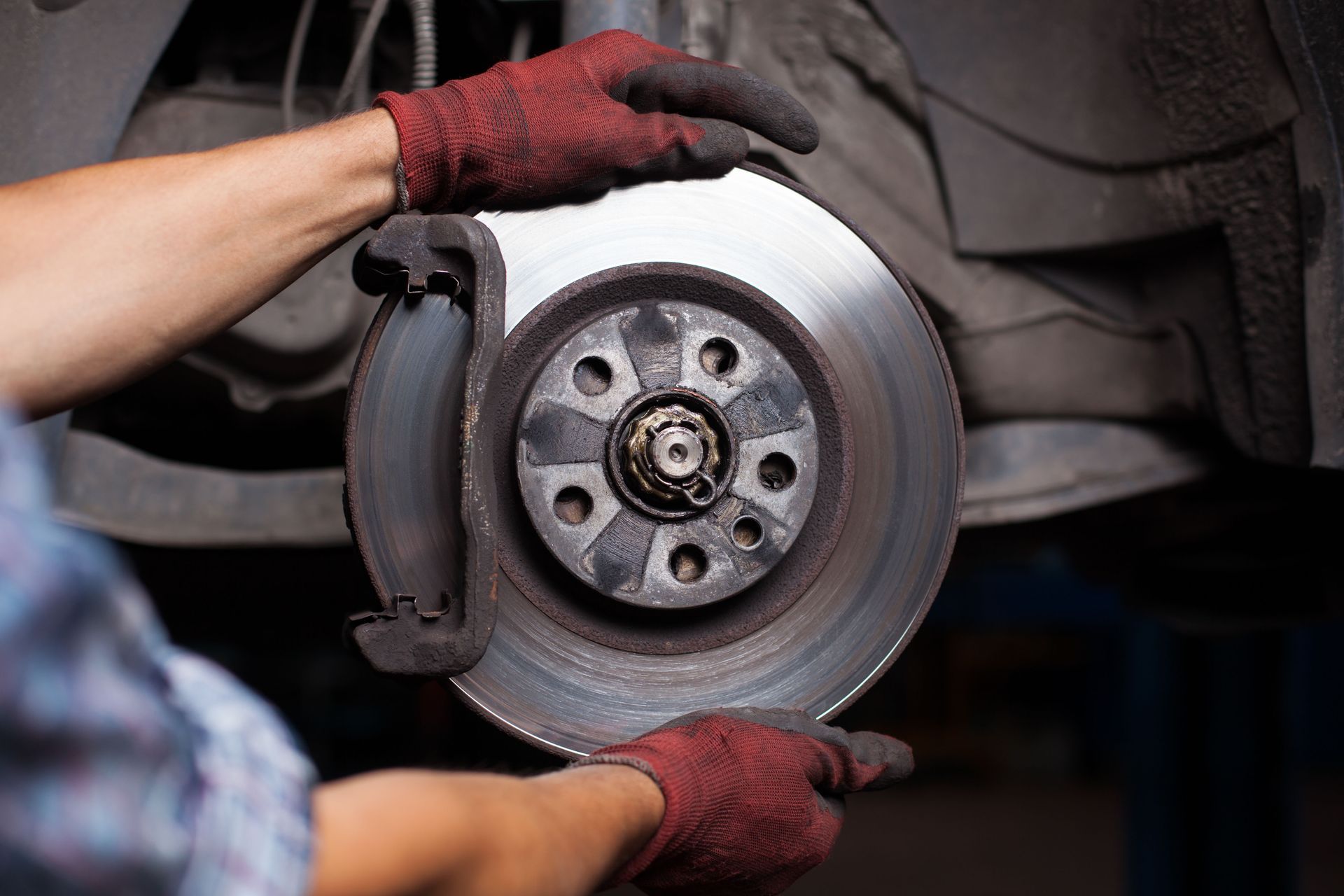
Nothing is more crucial to your safety on the road than your ability to stop on demand. Unfortunately, many drivers ignore the early warning signs of brake wear until they are dealing with a dangerous situation on the highway. If you hear a high-pitched squealing noise when you press the pedal, that is the built-in wear indicator telling you it is time for a brake repair. Ignoring that squeal often leads to a harsh grinding sound, which means your brake pads are completely gone and metal is scraping against metal. Putting off a minor brake repair at this stage will almost certainly damage your rotors, turning an inexpensive fix into a much larger bill.
Furthermore, if your brake pedal feels spongy or sinks to the floor, you might have air in your brake lines or a fluid leak. Because safety is paramount, a timely brake repair is critical to protect yourself, your passengers, and other drivers. Our digital vehicle inspections allow us to examine your pads, rotors, calipers, and fluid with absolute precision, ensuring that every brake repair we perform meets the highest standards of reliability and safety on the road.
Rotating the Vehicle Tires
Your tires are the only point of contact between your car and the road, making their upkeep absolutely vital for traction, handling, and fuel efficiency. Because the front of your vehicle typically carries the heavy weight of the engine and handles the brunt of the steering forces, front tires tend to wear out much faster than rear tires. Rotating the vehicle tires ensures that the tread wears down evenly across all tires. Uneven tread wear can lead to a rough ride, reduced grip on wet Kentucky roads, and an increased risk of hydroplaning or experiencing a blowout. Furthermore, skipping tire rotations will force you to replace your tires much sooner than expected. While checking the tread, a professional technician will also monitor tire pressure, ensuring your tires are properly inflated to maximize your fuel economy and overall driving stability.
Replacing the Vital Filters
Vehicles rely on a series of filters to keep contaminants out of critical systems, but these filters are frequently overlooked by drivers. The most important filters to monitor are the engine air filter and the cabin air filter. Your engine air filter prevents dust, dirt, and debris from entering the engine cylinders. A clogged engine air filter starves your car of oxygen, which forces the engine to work harder, reducing your acceleration and tanking your gas mileage. Meanwhile, your cabin air filter is responsible for cleaning the air that enters your vehicle's interior through the heating and air conditioning system. If you’ve noticed a musty smell inside your car or if your AC feels weak during the hot summer months, a clogged cabin filter is likely the culprit. Replacing these vital filters is a quick, inexpensive maintenance task that vastly improves both engine performance and your personal driving comfort.
Testing the Car Battery
There are few things more frustrating than turning your key in the ignition and hearing nothing but a hollow clicking sound. Car batteries typically last a few years, but their exact lifespan is heavily influenced by driving habits and extreme weather fluctuations. The hot summers and cold winters here in Lexington can take a serious toll on your battery's internal chemistry. Testing the car battery proactively can save you from the stress of being stranded in a parking lot. Signs of a weakening battery include a slow engine crank, dim headlights, or electrical issues with your radio and windows. It is highly recommended to have your battery's voltage and cold-cranking amps regularly tested. Catching a weak battery before it completely dies ensures you can start your day without calling for a tow truck or a jumpstart.
Monitoring the Transmission Fluid
Much like your engine, your transmission is a highly intricate component that requires proper lubrication to shift gears smoothly. Transmission fluid serves multiple purposes: it acts as a hydraulic fluid, lubricates moving gears, and helps cool the system. Over time, transmission fluid can become contaminated with metal shavings and lose its cooling properties. If you experience rough shifting, delayed engagement when putting your car into drive, or slipping gears, your transmission fluid may be degraded or low. Monitoring the transmission fluid and flushing it according to your manufacturer’s schedule is essential for preserving the life of your transmission. Replacing a failed transmission is one of the most expensive automotive repairs possible. By maintaining the fluid, you protect the intricate internal gears and ensure your vehicle continues to deliver a smooth, responsive driving experience for years to come.
Examining the Suspension System
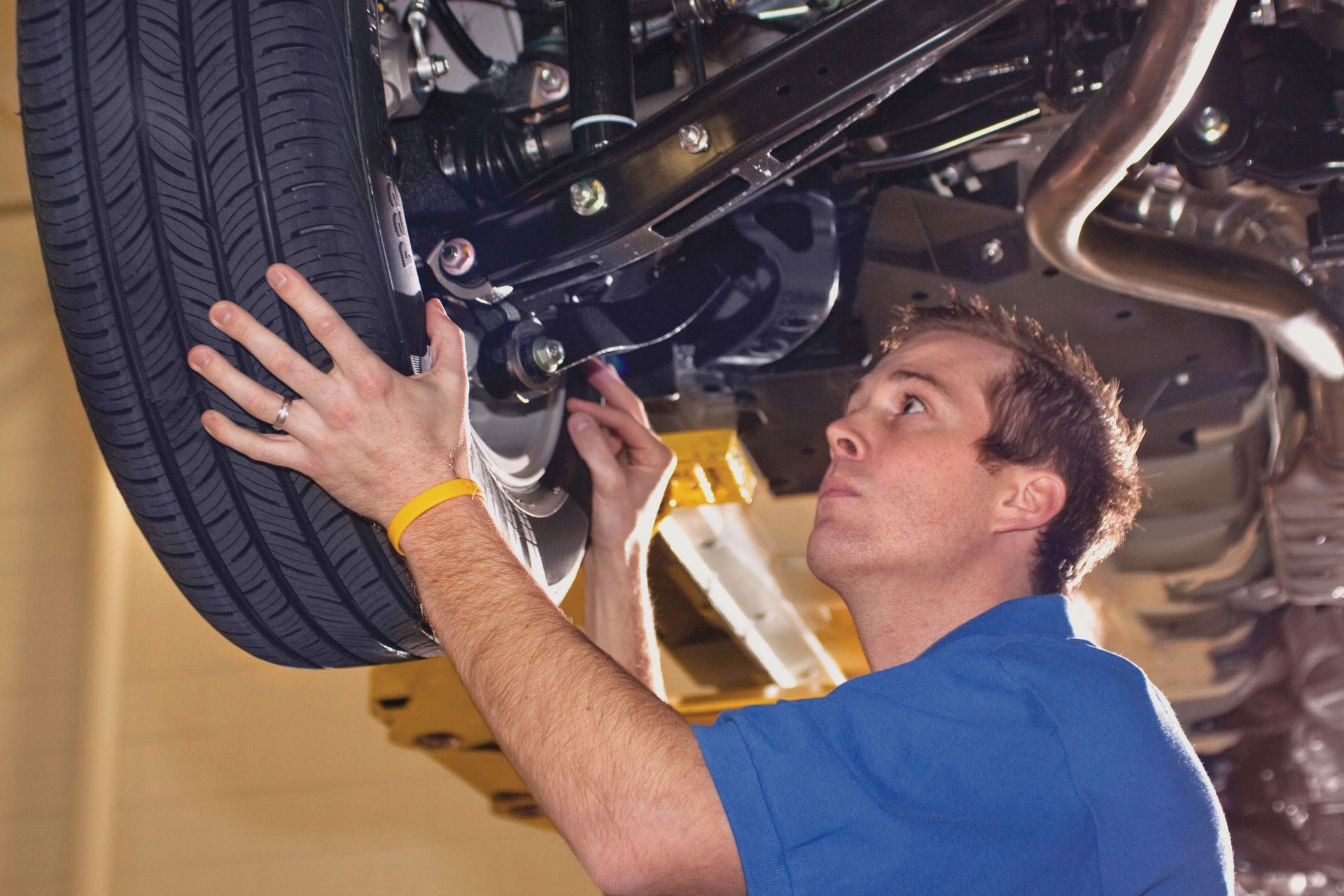
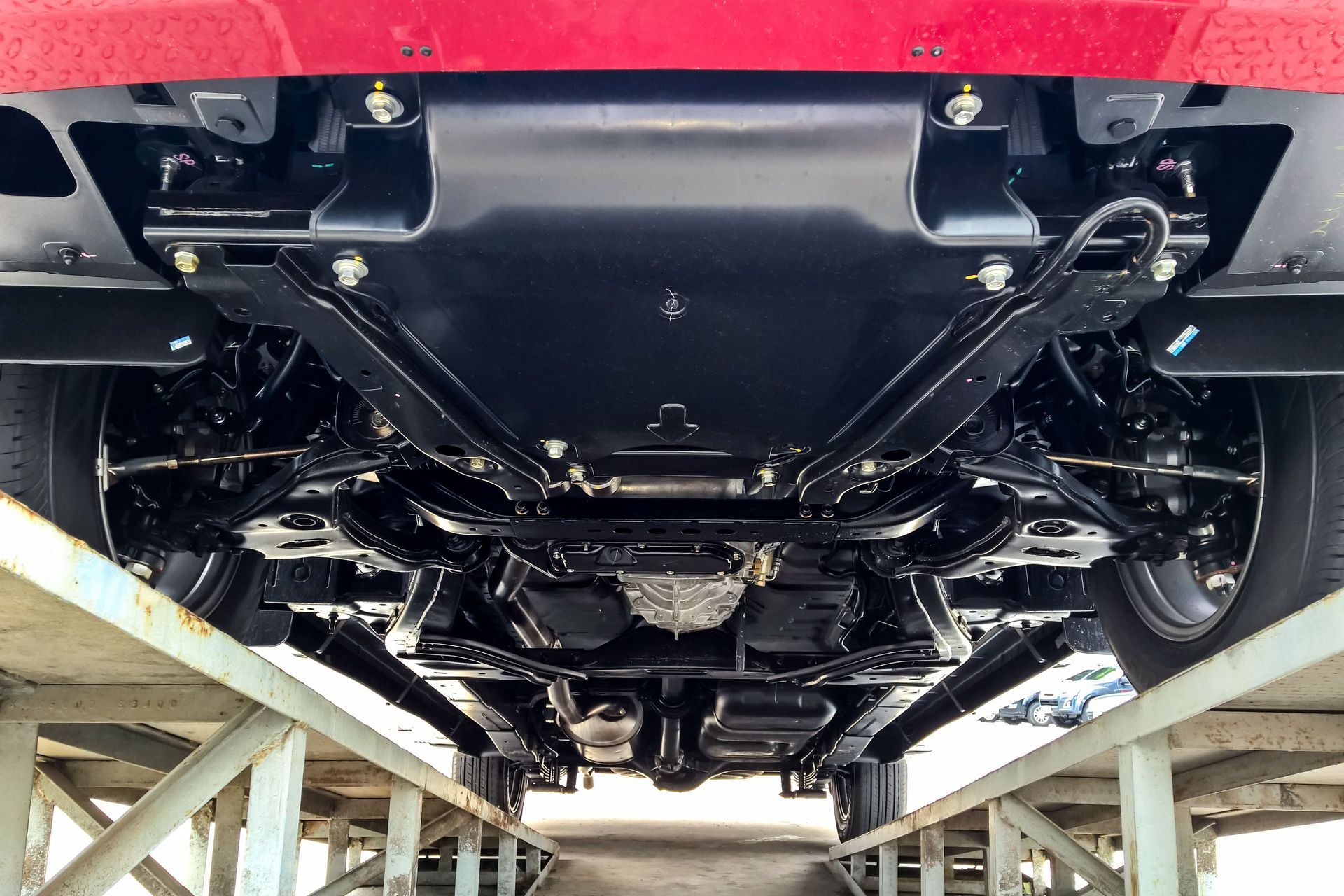
A well-maintained suspension system does more than just provide a comfortable ride; it keeps your vehicle safely grounded and stable during turns. The suspension comprises shocks, struts, control arms, and bushings, all of which endure constant abuse from potholes, speed bumps, and uneven pavement. As these components wear out, you might notice your vehicle bouncing excessively, pulling to one side, or nose-diving when you apply the brakes. Interestingly, a nose-diving sensation can sometimes confuse drivers into thinking they have a braking issue. However, a thorough inspection will reveal whether the problem lies with worn-out struts or if you legitimately need a brake repair. A compromised suspension increases your stopping distance and makes your vehicle harder to control during emergency maneuvers.
Assessing the Warning Lights
Modern vehicles are equipped with highly sophisticated onboard computers that monitor everything from tire pressure to exhaust emissions. When a sensor detects an anomaly, it triggers a warning light on your dashboard. Far too many drivers treat the "Check Engine" light or the "ABS" light as a mere suggestion, placing a piece of black tape over it or ignoring it entirely. Assessing the warning lights immediately is the smartest way to prevent minor anomalies from snowballing into major mechanical failures. For instance, if your ABS (Anti-lock Braking System) light illuminates, it means your vehicle’s advanced stopping features are compromised, indicating that a brake repair may be imminent. We utilize state-of-the-art computer diagnostics to read these codes accurately.
Protect your investment and your safety by addressing those long-overdue maintenance tasks today. Reach out to Southside Auto Repair to schedule your appointment, and experience the peace of mind that comes from driving a meticulously maintained, reliable vehicle.