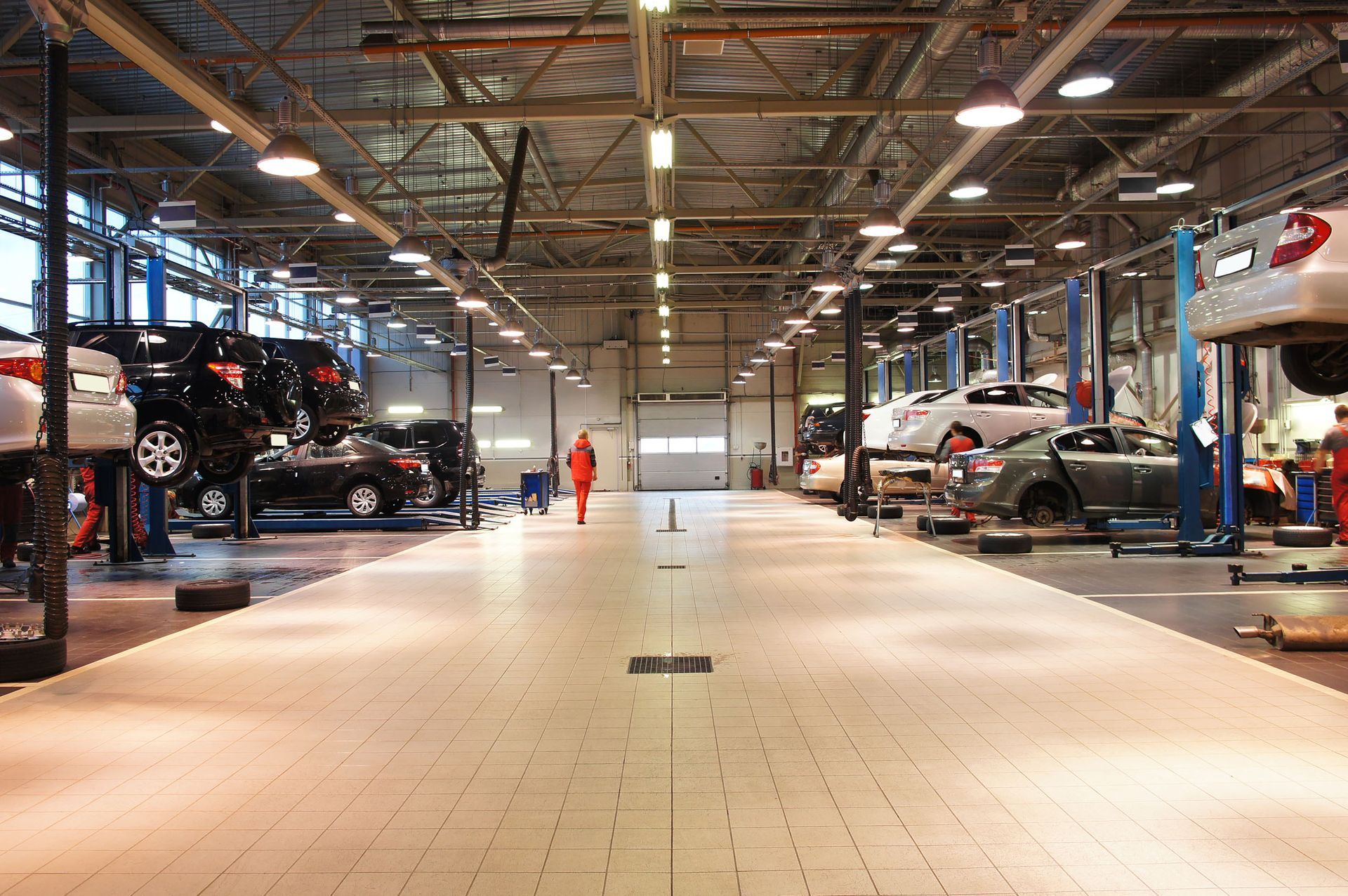
Taking care of a car involves balancing routine maintenance expenses with unexpected repair needs. Every vehicle requires regular attention to stay safe on the road. Understanding how maintenance costs work helps drivers plan their household budgets without feeling overwhelmed. Visiting a local auto repair shop gives vehicle owners access to clear advice and fair pricing.
Understanding Labor Charges
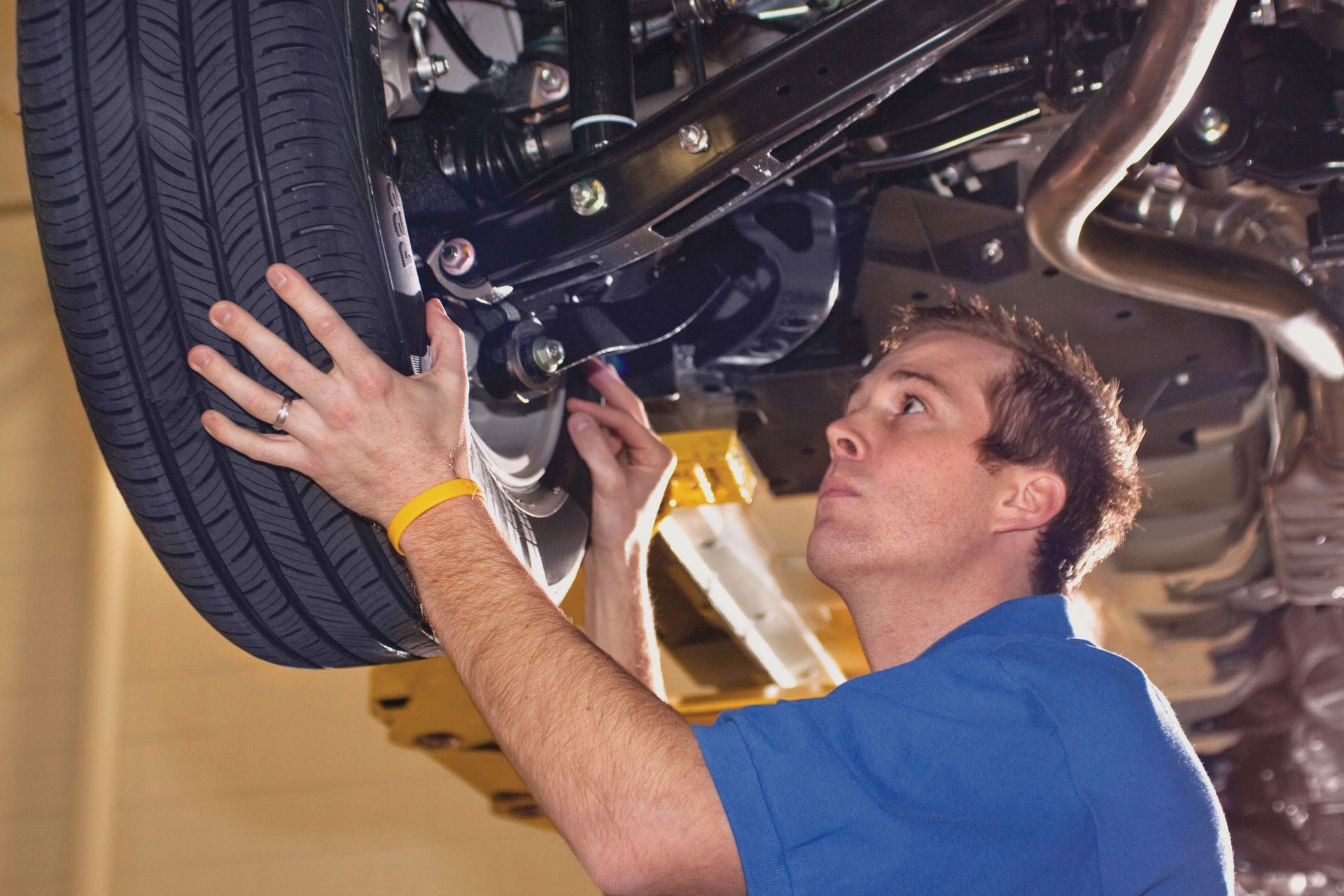
Labor costs at service centers reflect the time and skill required to complete specific vehicle fixes. Experienced mechanics undergo rigorous testing to earn credentials, allowing them to diagnose complex issues quickly. Hourly rates cover overhead expenses while supporting qualified technicians. Comparing service rates helps drivers understand the value provided by experienced local mechanics.
Comparing Independent Facilities With Dealerships
Independent service centers often offer more competitive labor rates than large franchise car dealerships. Dealerships carry higher overhead costs from large showrooms and extensive administrative staff. Independent facilities pass operational savings directly to vehicle owners through lower hourly rates and practical repair options. Visiting a local auto repair shop allows drivers to receive personalized service while keeping repair bills manageable.
Evaluating Parts and Material Options
Vehicle repairs require replacing worn mechanical parts with fresh components designed for your vehicle. Original equipment parts match factory specifications, while aftermarket parts offer cost-effective alternatives. Mechanics help car owners weigh replacement part benefits based on vehicle age and personal budgets. Balancing part quality with material expenses ensures reliable performance.
Identifying Common Maintenance Priorities
Staying proactive with routine vehicle care prevents minor mechanical wear from turning into major system failures. Regular maintenance preserves essential components, helping your car operate dependably.
Servicing Engine Oil and Filters
Routine oil changes keep internal engine components lubricated while preventing sludge accumulation. Fresh motor oil reduces friction between moving metal parts, preventing premature engine wear and costly breakdowns. Mechanics replace old oil filters during every service visit to keep circulating oil clean. Establishing a regular oil change schedule extends engine life and protects your vehicle investment.
Checking Brake System Performance
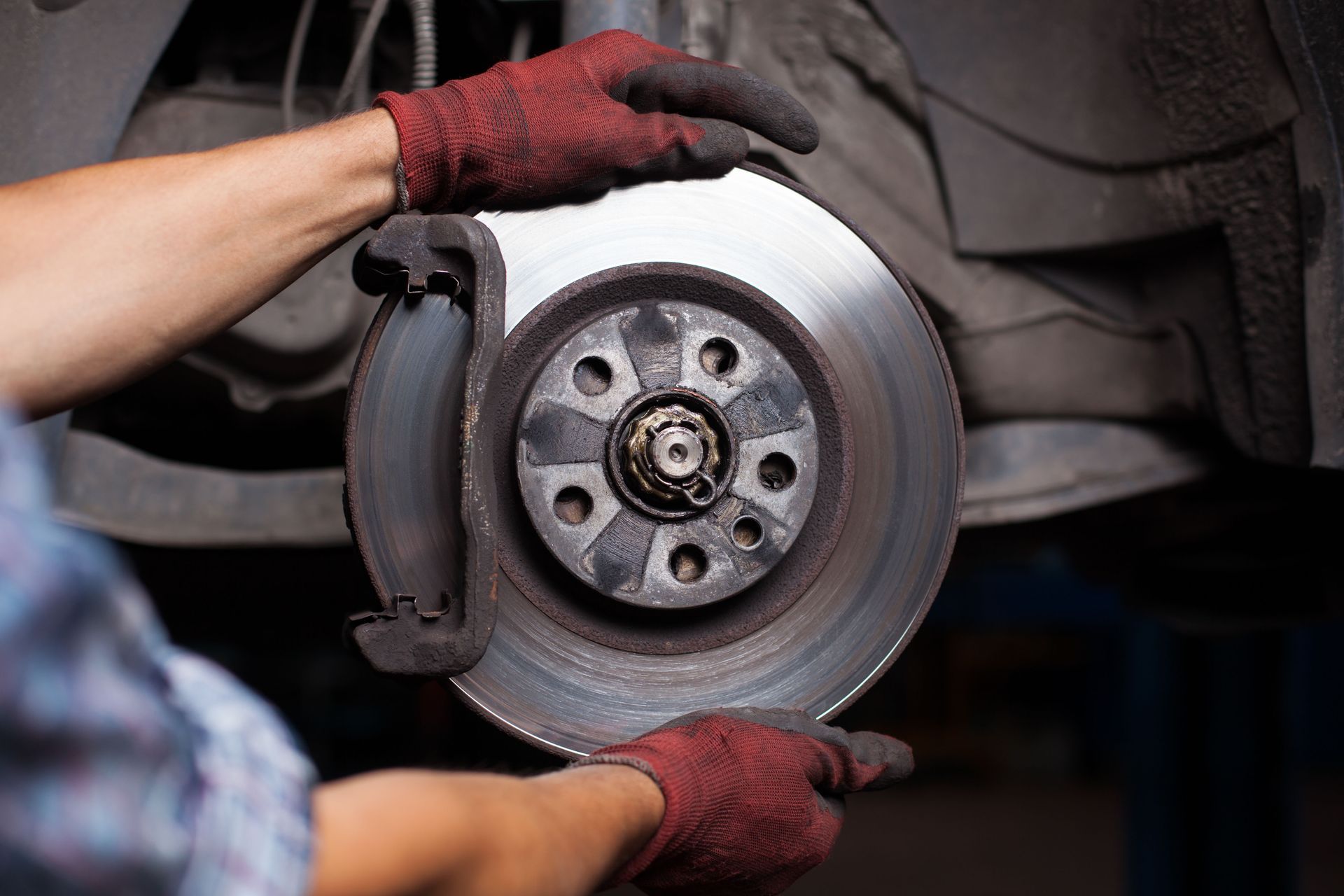
Brake pads and rotors wear down naturally through everyday stopping force. Regular brake inspections ensure your stopping system responds quickly whenever you step on the pedal. Mechanics measure pad thickness and inspect brake lines for leaks or corrosion. Replacing worn brake pads promptly prevents metal-to-metal grinding that damages expensive brake rotors.
Rotating Tires and Checking Alignment
Tires require consistent rotation to ensure even tread wear across all four wheels. Uneven tire wear shortens tire lifespan and reduces traction on wet or slippery road surfaces. Proper wheel alignment keeps your vehicle traveling straight, preventing pulling and premature tire wear. Maintaining proper tire pressure and regular rotations keeps your ride smooth while saving money on early tire replacements.
Maintaining Heating and Cooling Systems
Radiators and water pumps regulate engine operating temperatures to prevent severe overheating. Heating and air conditioning systems also maintain cabin comfort during hot summers and freezing winters. Mechanics inspect coolant levels and check drive belts for cracks or looseness. Keeping thermal systems in top condition prevents sudden engine overheating and preserves interior comfort.
Addressing Hidden Repair Risks
Ignoring minor vehicle symptoms often leads to compounding mechanical damage and higher repair bills down the road. Addressing small warning signs early protects your safety and household budget.
Responding to Warning Lights
Dashboard indicator lights signal that internal vehicle sensors have detected an operational irregularity. Ignoring an illuminated engine light allows small issues to worsen, potentially damaging surrounding mechanical components over time. Diagnostic scans identify exact trouble codes, allowing technicians to resolve root causes efficiently. Bringing your vehicle to a local auto repair shop when warning lights appear prevents minor glitches from escalating into severe breakdowns.
Preventing Unscheduled System Failures
Postponing routine maintenance creates severe financial risks for vehicle owners over time. Critical components like timing belts and spark plugs require replacement at specific mileage intervals. According to The Zebra, approximately 41% of vehicles nationwide are currently overdue for critical maintenance work. Partnering with a local auto repair shop ensures your car stays up to date on essential maintenance schedules.
Avoiding Secondary Component Damage
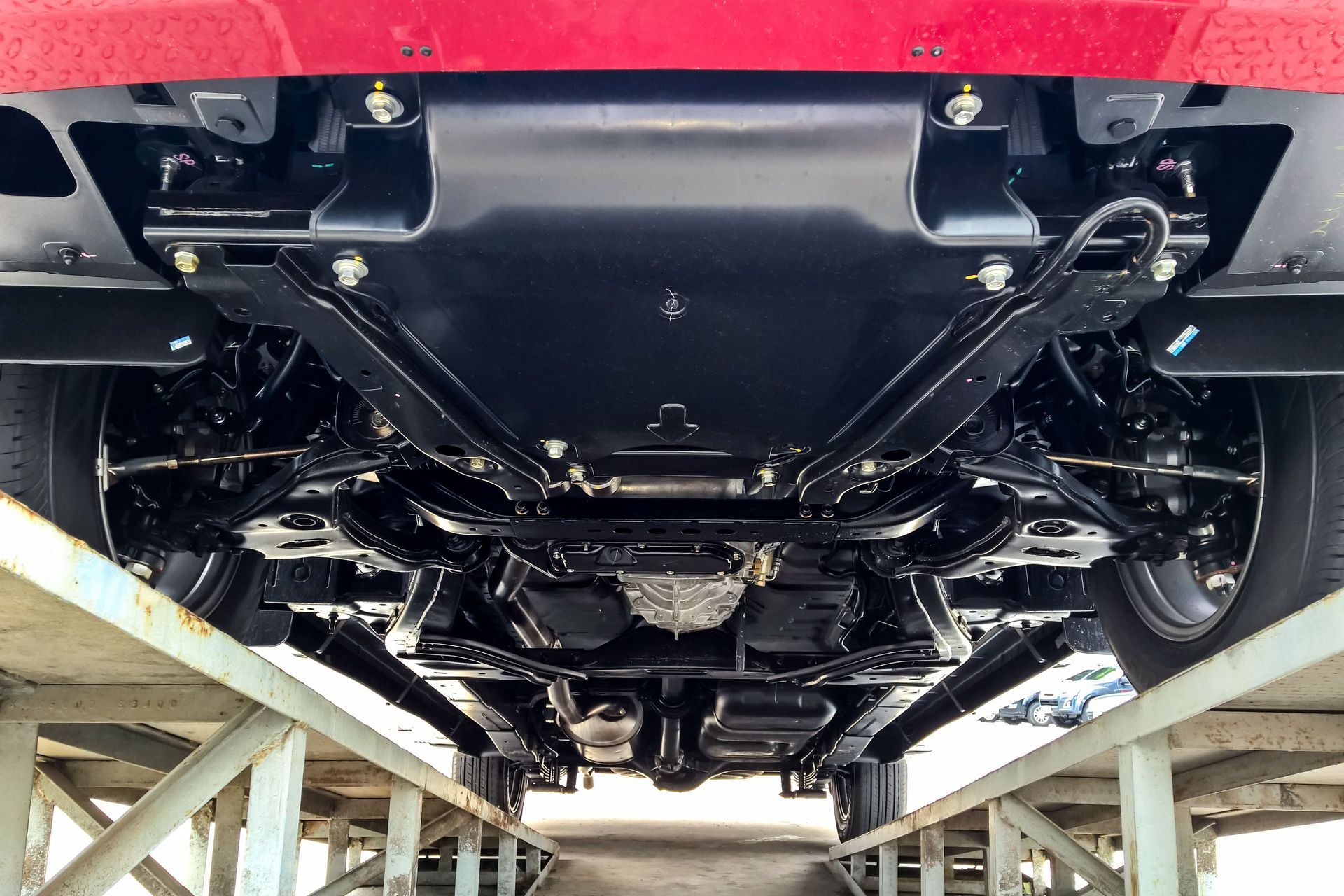
Mechanical systems inside your car operate in close harmony with one another. A failing water pump can cause engine overheating, while worn struts damage surrounding tires. Fixing minor mechanical issues right away protects adjacent parts from unnecessary wear. Proactive repairs keep total maintenance costs lower over the life of your car.
Exploring Payment and Financing Options
Managing unexpected repair bills requires clear financial planning and flexible payment choices. Reputable service centers offer transparent estimates and multiple payment avenues to assist drivers during sudden breakdowns.
Requesting Detailed Cost Estimates
Clear communication prevents unpleasant surprises when the final invoice arrives. Detailed written estimates outline labor hours, replacement part costs, and necessary shop fees before work begins. Technicians explain necessary repairs clearly, prioritizing urgent safety items over non-critical maintenance tasks. Honest pricing practices allow car owners to make informed decisions about their vehicle care.
Reviewing Diagnostic Fee Structures
Diagnostic testing requires advanced scanning tools, electrical testing equipment, and technician expertise to pinpoint hidden problems. Diagnostic fees cover the time and technology needed to isolate complex mechanical or electrical issues accurately. Many service centers apply diagnostic fees toward the final cost of repairs when work is performed on site. Understanding fee structures helps vehicle owners budget effectively for diagnostic services.
Utilizing Flexible Payment Strategies
Many service centers provide flexible payment solutions to help drivers manage unexpected major repairs. Third-party financing options and payment plans allow customers to spread repair costs over manageable monthly installments. Using major credit cards or promotional financing options helps drivers complete urgent safety repairs without delaying service. Flexible payment terms ensure your vehicle stays safe on the road without straining immediate finances.
Finding Reliable Local Service
Establishing a long-term relationship with a dependable service center simplifies vehicle ownership for years to come. Local repair facilities provide personalized attention, community accountability, and direct communication.
Researching Community Service Reputation
Finding a reliable local auto repair shop begins with reading local customer reviews and community feedback. Established repair centers take pride in transparent service, clear communication, and customer satisfaction. Friends or neighbors' personal recommendations connect you with dependable local mechanics. Reviewing past customer experiences helps you feel confident when choosing a service provider for your car.
Checking Professional Mechanics Credentials
Qualified mechanics maintain active industry certifications demonstrating technical knowledge and hands-on skill. Professional certifications ensure mechanics understand proper repair procedures, safety protocols, and manufacturer standards. Experienced technicians participate in ongoing training workshops to keep up with evolving vehicle engineering. Choosing a shop with certified mechanics ensures your car receives attentive, knowledgeable care.
Evaluating Customer Communication Standards
Clear communication makes managing car repairs a stress-free experience. Helpful service advisors answer your questions and keep you updated on repair progress. Technicians provide clear timelines for service completion, ensuring minimal disruption to your daily schedule. Strong communication builds lasting relationships between car owners and local service teams.
Taking proactive care of your vehicle preserves its safety alongside overall performance over time. Regular oil changes and brake checks keep major mechanical systems operating smoothly. Addressing warning signs quickly prevents expensive breakdowns and keeps your daily transportation reliable. Visiting a
local auto repair shop gives you peace of mind knowing your vehicle receives attentive care from friendly professionals.
When you need dependable service or routine maintenance for your car, Southside Auto Repair is ready to help. Our team provides clear advice, thorough inspections, and reliable repair work. Contact us today to schedule your next service appointment or request a maintenance check.